
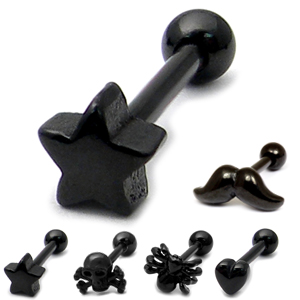
 Black Steel and Black Titanium body jewellery are steel or titanium products coated in a Titanium compound using a Physical Vapour Deposition (PVD) process to give a black colour.
The high tech PVD process has been used since the 1990’s to prolong the life of machine tools by reducing friction and increasing durability. It’s also used in F1 car engines where some parts are PVD coated to reduce friction and increase energy efficiency.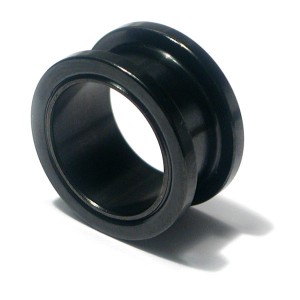 In body jewellery, it has the same benefits, but it’s mainly sought after for its colour. Black body jewellery is particularly popular and the PVD coating is the best way to achieve this.
The black colour is achieved using Titanium Aluminum Nitride (TiAlN) and is deposited on the jewellery by vaporising the Titanium compound onto the product by passing a high voltage current through the Titanium compound emitter in a hot and high pressure kiln.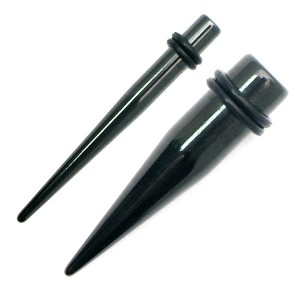 The PVD coating process produces a superior product with the added advantage of producing a low-friction, low-allergy, high shine piece of jewellery, with a tough scratch-resistant finish.
Black Titanium is a lightweight, strong and bio-compatible. Black Steel has the same benefits, although is not quite as lightweight, but offers a cost effective way to get the desired colour.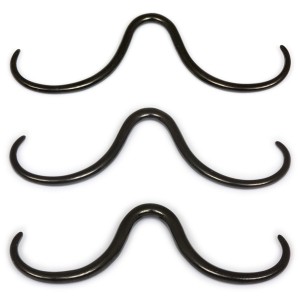 We have a huge range of Black Steel & Black Titanium products to choose from!